

05/02/24
I dream in stereo. I only realised this recently. In my dreams it’s my good old natural polyphonic stereo hearing. Maybe this will change in time and I’ll have a cochlear implant (CI) in my dreams. This is a known phenomenon in other settings with a significant proportion of amputees dreaming that they still retain their “phantom” limb.
I come across a post on Twitter (I’ll stick with the old name) from the fantastic, now retired, @hearinglosshour.
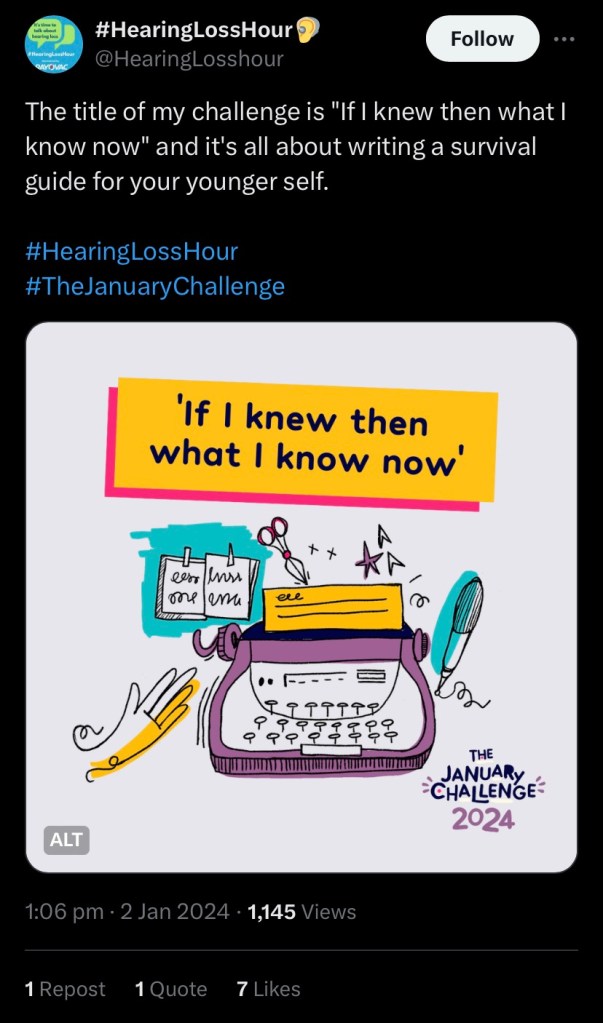
I suppose this is the overall purpose of this blog. If I had known then what I’ve written here, maybe the process would have been a bit easier, maybe I would have known earlier to anticipate the grief and trauma reaction, maybe there would have been a lot less uncertainty about being able to access a CI, who knows?
It’s a bank holiday Monday. A new February Bank holiday, an unexpected side effect of COVID. After an early airport run I get a chance to sit in silence with a book and a pair of headphones. I listen to Nevermind in all its glory, followed by Siamese Dream, then the Weezer Blue Album. Music gets better all the time. The percussion is centred and clear. The voice on the left doesn’t seamlessly meld with the right. It’s thinner, like it doesn’t contain the full frequency range, or that it’s missing oomph in lower frequencies.
Drain You is glorious. Any form of stereo is better than mono. I have a choice: I could just push both left and right channels into my right ear with Apple’s (extensive & excellent) accessibility settings. When I do this I get 100% natural hearing, no distortion or missing elements, but I’d also have a void in my head where the anticipated input from the left is missing and this void is rapidly filled in by a crescendo of tinnitus.
I try it and replay Drain You. The tinnitus kicks in, diminished, as I have the processor on. The processor picks up the sounds of my youngest playing a Star Wars game on the PlayStation. The loss of the summative effect of binaural input is the thing that stands out most. It’s a more meager representation of the song. The stereo effects are gone. There are no distorted elements, but I think of the quote from the kid who was recently profiled after gene therapy led to him hearing (something) for the first time. “There’s no sound I don’t like”. For me, a gradually improving ability to hear and appreciate music in stereo far exceeds my thin, reedy experience of mono that I also have the choice of experiencing at the flick of a switch.
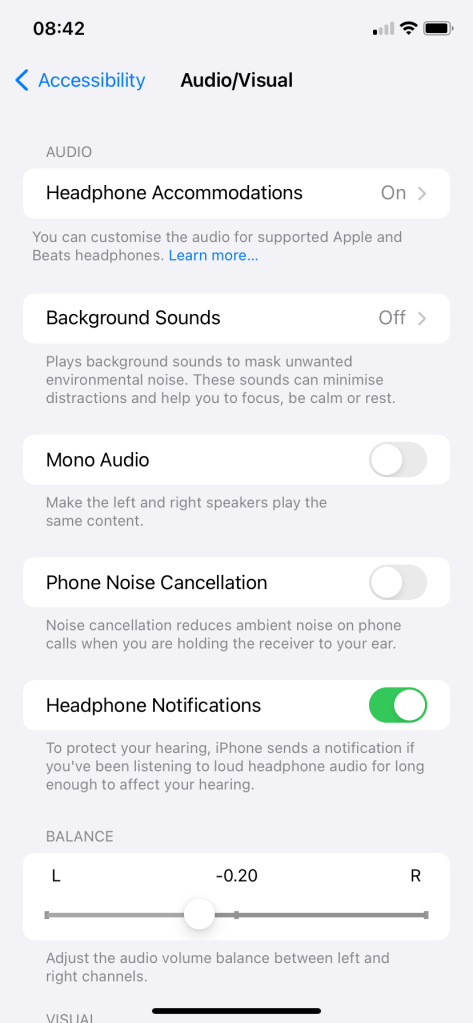
The intro to Cherub Rock by Smashing Pumpkins is perfect. When all the layered guitars kick in, it’s a bit dodgy on the left, but still, there’s progress since I last got to sit down and listen on good headphones in silence.
11/02/24
I’m tackling into Neil Gaiman’s American Gods and Bright Eyes, We Are Nowhere and It’s Now is playing on the TV. The sound streams to my CI directly from a TV Streamer connected to the TV Optical out and I hear the TV room sound in my good ear. It sounds good. Still like an AM radio, still a little distorted, but good. As Rebellion (Lies) by Arcade Fire plays, some of the glockenspiel notes about four and a half minutes in really pop out above the rest of the sound. This is a familiar experience. Certain sound elements fare really well and complement my natural hearing- percussive sounds, the jangle of acoustic guitar strings, my son playing the Imperial Death March on the bass notes of the piano, and the intro to Chicago by Sufjan Stevens- all examples of music punching through clearly.
The Neil Gaiman book is spectacular and beautiful. There’s a really good reason for why I’m reading it that I will share here in a later post. It was an interesting weekend that veered from a Bluesky scuffle with some Deaf advocates to a major leap forward for an ongoing writing project. I also got an invite to present at a CI advocacy conference with CIICA in Brussels in May. Advocacy and meeting other CI recipients? Yes please!
09/05/24
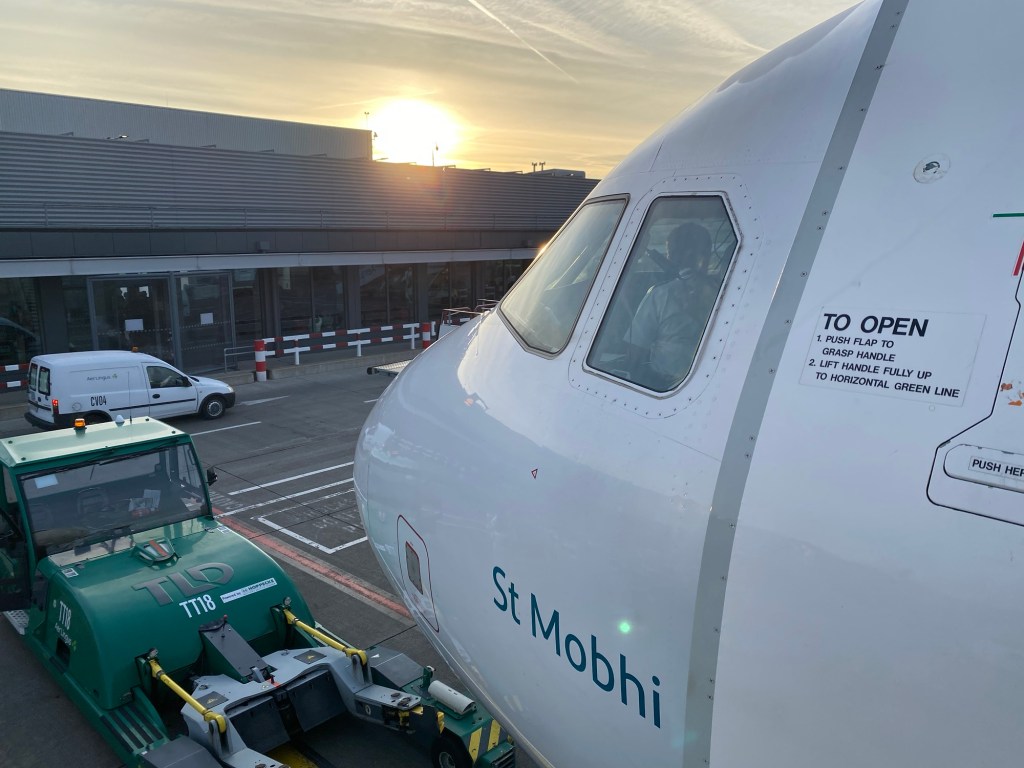
I’m back in Dublin Airport again at crazy O’Clock for a two day trip to Brussels. It’s strange to be going to a conference to represent myself, rather than my usual experience as a clinician or academic. My presentation is a bunch of pictures. The five of us smiling on Christmas Day 2021, not knowing what was coming the next day. Lots of steroid tablets. Me and Vincent Van Gough with matching bandaged ears. Successive screenshots of Noisy Silence blog posts that chronicle the journey. And the current result: working without any impediments, playing music, going to gigs and some of the positives from the process including writing, advocacy, a daily swimming habit and other surprise outputs.
I dreamt about being in a room with other CI recipients last week. It is rare that I get to meet people with CIs. I’ve met 3 in the past 18 months. Suddenly, I’m at Maison des Associations Internationales in Brussels and there are about 40 people in the room with a CI. People like me. I learn about the various experiences of the people in the room through lots of conversations and the conference presentations. Some born Deaf, some late deafened. Gradual hearing loss, sudden hearing loss. Recent recipients, and a lovely lady implanted over 40 years (with the original implant still going strong). Bilateral, unilateral and bimodal users (CI one side, hearing aid on the other). The conference attendees were an incredible bunch of people, there to share their advocacy experiences and to celebrate the positive change in their lives and those of their loved ones or patients.
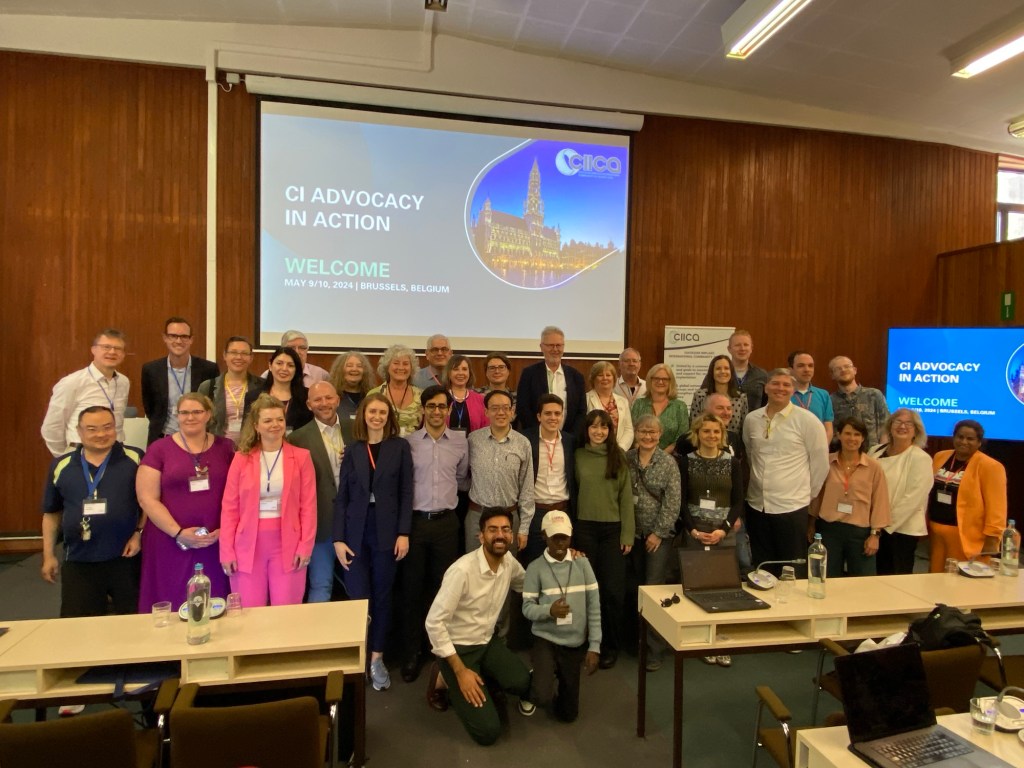
There were lots of different stories, but we shared common experiences and a shared passion to advocate for better access to CIs and lifelong care. There were parents who had undertaken Herculean tasks to advocate for their children, setting up national CI programmes and raising public and political awareness of the need for CIs and ongoing rehabilitation, sometimes amid fierce opposition.
It was important to me that this wasn’t an Astroturf or fake grassroots advocacy movement parroting medical device manufacturer’s talking points. There is significant potential for power imbalance and perceived conflicts of interest with the medical device sector. However, I believe that the CI space is different to others as: there are significant barriers to accessing CIs and appropriate ongoing care- CIs are not being oversold; patients chose the manufacturer they want- this is left up to them and not the clinic; the public system funding model and public procurement processes also offer protections (in some countries); and the professional regulators have standards that the relevant professions need to comply with. This article contains a useful outline of how the hearing health sector is evolving.

The CIICA conference was very CI recipient driven. I learnt about the importance of telling stories from a CI recipient with an implant that is nearly as old as I am. Her story is a definite riposte that I will use in the future when I encounter tech dystopians, who think, because one company who did retinal implants folded, that all medical device technology is inherently flawed and shouldn’t be used.
I learnt from achievements in other countries (e.g. tripling the number of funded CIs in the New Zealand health system) that advocacy works and ask myself, how can I be a more effective advocate? I need to think about my messaging in key areas such as:
- Awareness of sudden sensorineural hearing loss and the need for urgent treatment
- The experience of being Deaf/hard of hearing
- Living with severe tinnitus
- Being a cochlear implant recipient
- Cultural accessibility
I can share my experiences of the impact of sudden hearing loss on my life and how my story has changed since activation. I was fascinated by presentations that outlined lifetime cost estimates of hearing loss and how it impacts on people’s careers, earning potential and the real effect on the government and the economy. This is not to say that we are all economic units of production, but it does help with the argument around funding technology through the health technology assessment process where costs and benefits are weighed up in a systematic manner. Taking me as an example, I was heading for a shorter working week in a different role without access to a CI. The severe tinnitus and resultant auditory fatigue meant that all my energies went into my work and this unsustainable situation would not have lasted. Not being able to access a CI would have had significant implications for me, my family, and my employer.
As I have been exceedingly lucky, I’m going to do what I can to support future CI recipients. The conference was really useful to learn the tools and techniques of advocacy. I learnt that narrative is essential to drive emotions, while at the same time the story teller needs to be less emotional in the telling of the story to be able to strategically control the message. There is very little perception out there in the world of what it means to live with a disability, until you or a loved one are directly affected, and we all get there eventually. For me it was that first realisation that I was now living in a different world. Those first days of my hearing loss for example, where everyone was laughing and I was missing the joke. The missed social and cultural events. The impact on my relationships, even those closest relationships, the impact of my children’s voices on my tinnitus and my hyperacusis/extreme sound sensitivity. The missed conversations, and opportunities. The slowly building isolation from your old self and previous life. These stories need to be told as there are lots of decision makers out there shrugging and saying: “You have one good ear. You’ll get by”.
These stories can be used to steer the narrative. I learned in the conference that people have succeeded internationally in securing health system investments and changing peoples’ lives. From my own perspective/microcosm, throughout my career, I have seen people using medications, sometimes on a lifelong basis, with significant costs because these medicines reduce the risk of adverse outcomes or enhance quality of life. Health systems fund these medicines on this basis, sometimes at exorbitant costs. We need to consider equitable access to binaural sound on the same terms. There are costs, but they are not as high as people are led to believe, and there are direct and indirect benefits to the recipient, the health system and society that far outweigh those costs. Anybody who needs and wants a cochlear implant should have the choice to receive one (or two, if required).
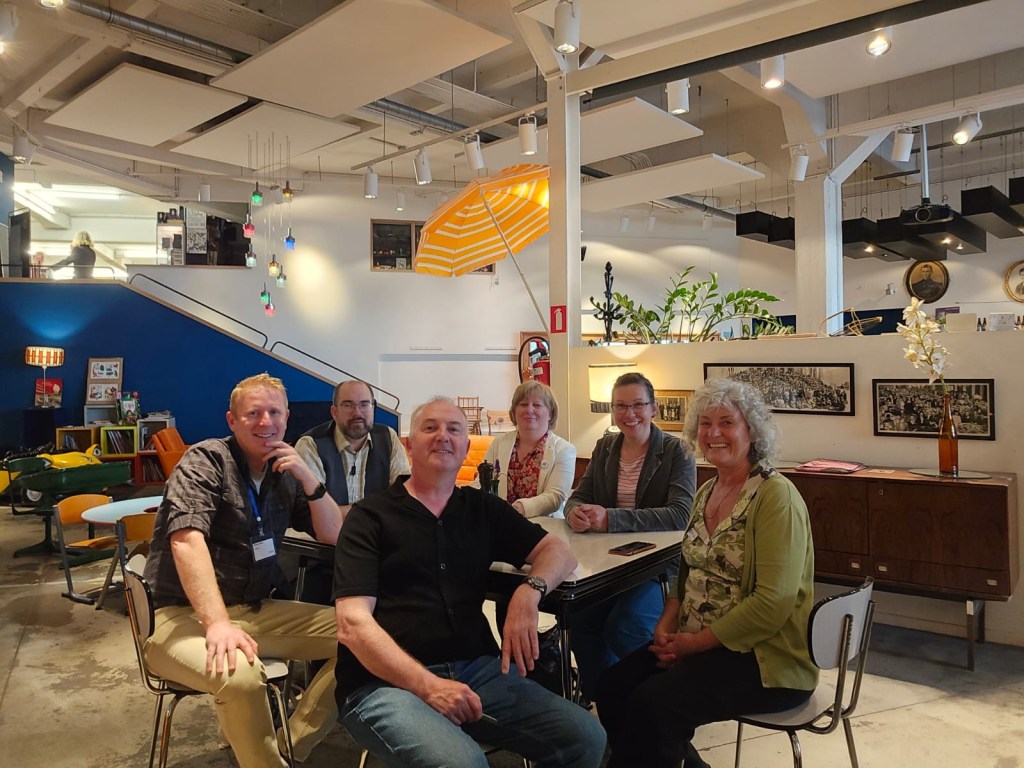
After the conference, I was winding down and sitting among a group of six people with cochlear implants. We shared our experiences and the highs and lows of the whole process. I sat on the bus to the airport contrasting this with the fact that I rarely meet people with CIs in the wild and resolve to organise an Irish meetup for adult CI recipients in Dublin within the next few months.
So what are my takeaway impressions sitting at the airport thinking about the conference?
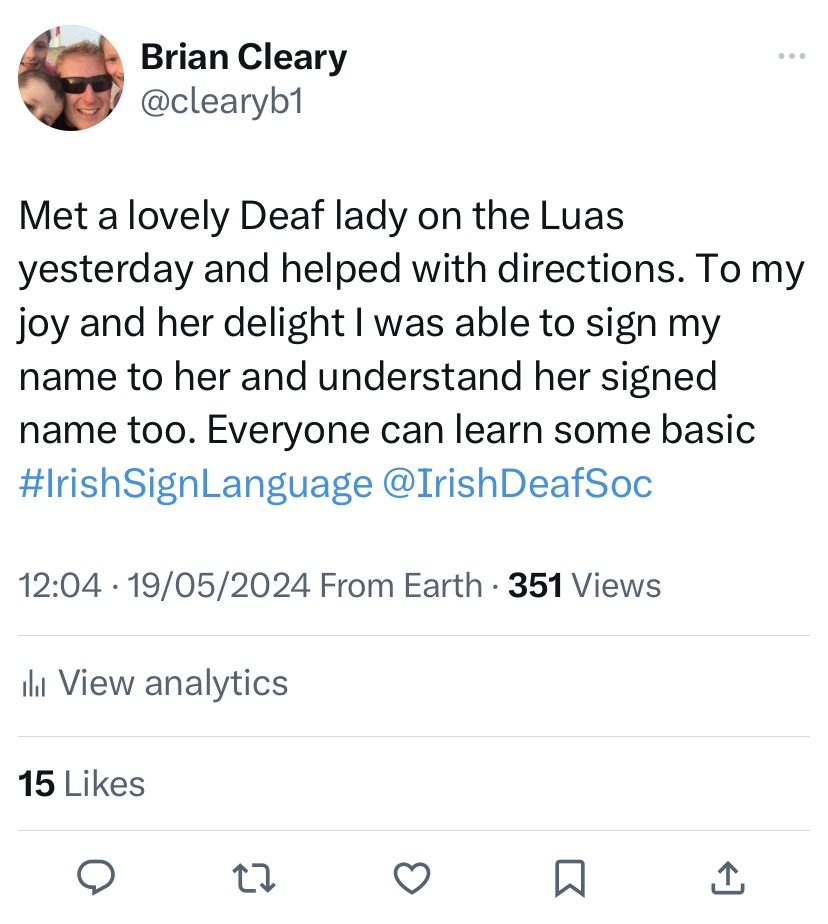
I am very impressed. I didn’t anticipate how meaningful it would be to meet people using cochlear implants, and to see the overlap in our stories and the similarities in our experiences. I found it really rewarding to talk to academics working in this context. I could relate to them as a patient/public member of the team, but also as an academic/researcher. I realised that I could do a lot more to advocate for people who need CIs, to advocate for a more accessible world for people with hearing loss occupationally, educationally, in the cultural space and more generally. For example, everybody, knowing some very basic sign language, at least being able to spell their name and understand signed letters, would make the world more accessible to the Deaf community, and finally, general awareness of hearing health and need to protect people’s hearing from harm through music, occupational and other environmental exposures.
The conference experience is tinged with a little sadness that there is very little organisational support in Ireland, yet. The existing organisations/networks don’t seem to represent all of the diverse parts of the Deaf community. Adult CI recipients seem left out, which is a pity, as the entire community is stronger together and the accessibility struggles affect us all.
My plan before next year’s conference is to commit to clear, consistent messaging through multiple channels and build on my past advocacy experience. Looking back now, I’ve been very lucky to get the opportunity to tell my story on two occassions on national talk radio and have been even more surprised to approach 9,500 views of this blog. Another silver lining in a crappy situation is a comment from a social media user who recognised their own sudden sensorineural hearing loss based on me writing about my experience. They got treated immediately and had a complete reversal of their hearing loss. I have also been lucky enough to get engagement on how deafness is represented in advertising when I complained about a hearing aid retailer using advertising that was making fun of hearing loss. The company changed their marketing strategy and moved towards the positives of finding lost sounds rather than making fun of somebody who has lost their hearing. Finally, and possibly most importantly, I have a string of concerts under my belt, where I have successfully advocated to get my cochlear implant linked wirelessly to the sound desk. This has led to a much better music experience for me and the rewarding knowledge that I am part of the process of setting up an infrastructure that will benefit lots of Deaf and hard of hearing people in the future. For some concerts and some promoters, it was easy. For others, they had to be dragged to the table using Irish equality legislation, but the end result is the same, I get plugged in and get better sound quality. I hope to coordinate a #HelpUsHear campaign, which has the aim of creating specific infrastructure at concerts and cultural events to facilitate people who are Deaf/hard of hearing. This will include appropriate technologies to connect hearing technology to the sound desk, so that people with hearing aids or CIs, get to experience the concert on an equitable footing with people without these disabilities. I would also love to see this as a shared struggle so that there is systematic improvement of cultural accessibility in terms of both hearing health technology and provision of Sign Language interpreters. It is important that any efforts to improve accessibility for various parts of the Deaf community can be done in a coordinated way to facilitate access for all.
Another thing I can do is to try to help Deaf students in my little circle of academia. It would be good to learn more about how students with CIs and parents can be supported. I look forward to seeing the CI recipients that got their implants as babies arriving in my university and hospital in the coming years. I put this into action in a small way when I was at an academic event, and, like many people in the audience, experienced difficulties hearing the presenters over the din of the air handling units in the large lecture theatre. A poor audio set up meant that many people in the audience were straining to hear, and with my new advocacy hat on I bypassed my internal cringing and was talking to the professor straight after the event and emailing them my concerns about accessibility for all who need to learn in that auditory environment.
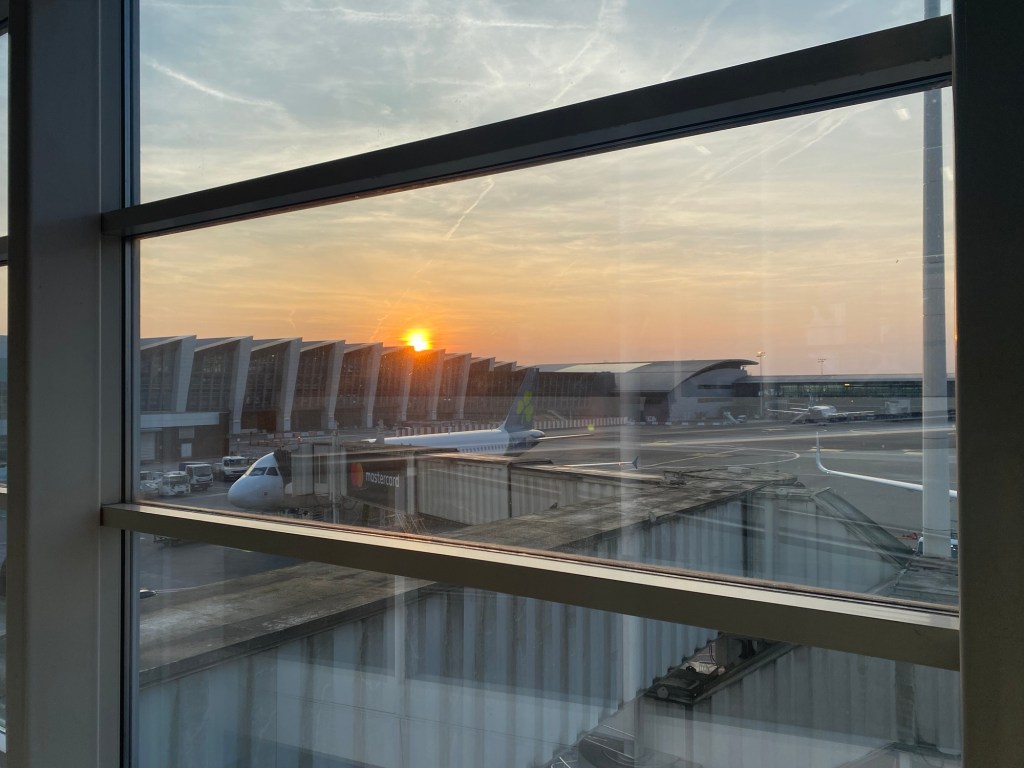
So here I am on another evening flight home after a positive trip caused by a very negative personal event. I’m thinking about the different paths that other CI recipients travelled. Young adults who were implanted as babies/children, most receiving separate implants, sometimes years apart with varying degrees of success; parents of this group who had fought for the required healthcare and equitable access to education for their children for years; formerly hearing people with gradual hearing loss; those who were born deaf and received cochlear implants as adults; and people who suffered from conditions such as meningitis as an infant or as an adult and suffered from sudden his hearing loss. It was fantastic to meet clinicians such as audiologist with cochlear implants. The associated advocates, parent groups, clinicians and scientists were inspiring in their drive to help future recipients. The vendors of cochlear implants were present at the conference with displays outside of the conference facilities. I was initially sceptical about attending, but was reassured that there was no content from vendors in the presentations or lecture hall and any conflicts of interest were declared by presenters. There is a need for collaboration with medical device vendors. It is essential to ensure that perceived or actual conflicts of interest do not taint the very important message: that cochlear implants should be accessible to all the need and want them and that recipients need to be at the table and listened to in any policy discussions. For example, one small niggle from my experience is the Cochlear Aqua Kit for my Nucleus 8 processor. My original pair and repeated replacements have leaked. I’m unhappy with the responses to date and the fact that my only processor and lifeline has had a salty bath in the Atlantic as a result of these Aqua Kits not working. This is just to demonstrate that I am not a Cochlear spokesperson and I do not only say positive things about my experiences with CIs.
Another element of the conference was the various discussions on inner ear therapeutics. This involves varying approaches, including using benign viruses, to introduce genes into the cochlea that address a genetic cause of hearing loss. There have been promising results from early studies, but finding suitable candidates is a veritable needle in a haystack situation as the specific genetic conditions are exceedingly rare. I remain sceptical about the widespread adoption of inner ear therapeutics given the many and varied ways that you can lose your hearing, but I am hopeful that there will be options in the future that aren’t there now. The Deaf community have feelings about all of this, up to and including the view that attempts to develop therapeutic options in this area amount to eugenics. I don’t have the same lived experience as some members of the Deaf community, but if my hearing loss turns out to be genetic, I am very keen that my children have options and choices in the future. This area of research is very important to facilitate this. Until I can figure out the cause of my own hearing loss, all I can do for my children is take general precautions and follow the WHO Make Listening Safe recommendations.
I’m already looking forward to next year’s conference.
19/05/24
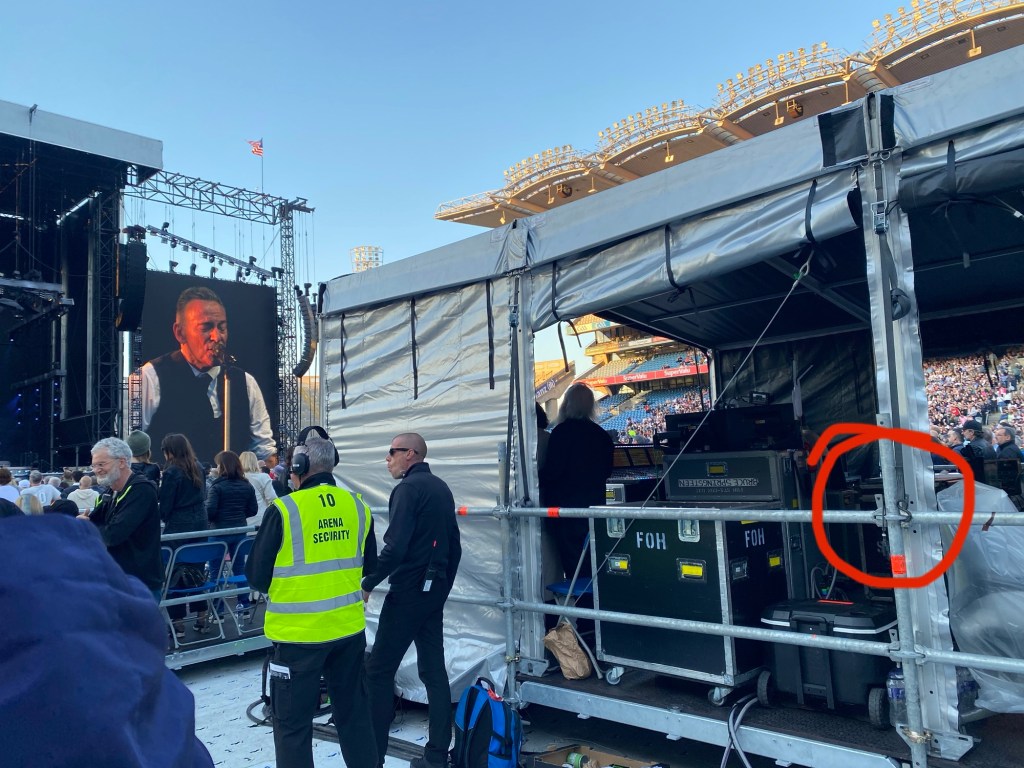
I’m at a long-awaited Bruce Springsteen and the E-Street Band concert in Croke Park, a short walk from my house in Dublin. Brandon, the Sound Engineer, is looking at me as he dials up a delay on the output that is going to my CI, watching for my response to see if the music has come into sync.
Rewinding a little, I engaged with the promoter in advance of the gig and outlined my situation. I was able to list off my previous successes:
Jinx Lennon – Thomas House
Steve ‘n Seagulls – The Academy
Gig for Humanitarian Aid to Palestine – The Three Arena
CMAT – The Olympia
Adrianne Lenker – The Black Box
CMAT – Fairview Park (commitment made)
The Sawdoctors – Fairview Park (commitment made)
These precedents helped me get agreement once the promoter got the OK from the Springsteen sound team. When the request was granted my seated tickets were changed to standing so that I could be near the sound desk and I was directed to front of house where one of the promoter’s team linked me in with the sound engineer.
Brandon plugged my MiniMic 2+ in to an XLR cable coming from the sound desk using a female XLR to 3.5mm connector – this dangled to the left of the sound desk and I stood at the barrier, with the people around me puzzled by my engagement with the sound engineer. Once I was plugged in, the house music was audible. As the volume of the house music increased close to the band coming on the latency became apparent. Electricity travels faster than sound. I was about 200m away from the speakers and the speed of sound meant that my CI side was significantly/noticibly ahead of the speakers/my good ear. Ah well. It was worth a try.
Brandon, while looking after the listening needs of the other 80,000+ attendees, checked sound levels visually with me. The level was fine, it was the latency that was the problem. I gave a thumbs up on the levels and mouthed L A T E N C Y, signalling a drum rhythm.
Amazingly he copped it and came over. I told him that physics was against me and the the drum sound was perceived from my CI before it reached my good ear. He knew based on the distance from the stage that I needed about a 160 millisecond delay and said “I can fix that”, and he did!
The sound was much better with the CI. The brass section sounded amazing, I could differentiate pitch clearly and Jake Clemon’s sax solos soared. The rhythm section was clear and centred in my head. The chatter and bad singing around me did not feature through the CI procesor internal mics. This was an amazing accessibility experience for me and I hope that it becomes the norm. There is work needed to figure out how to scale this so it is the way that gigs are done. I’m working on this (#HelpUsHear). Ultimately, I hope that there is a section around the sound desk, not unlike the accessibility platform that is alread at most gigs, where people who need to connect can have a dedicated space close to whatever technological solution they need.
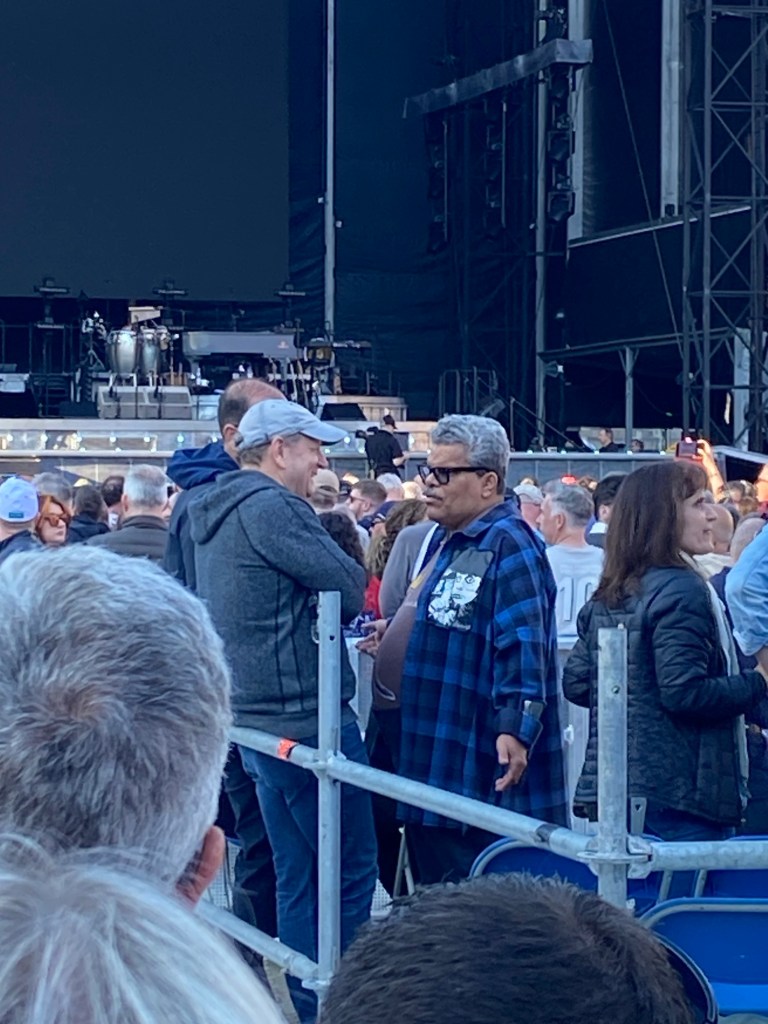
It wasn’t all unicorns and rainbows, the sound dropped regularly. The MiniMic 2+ relies on a line of sight and when security passed or paused in front of the transmitter, the signal dropped. These are solvable problems though.

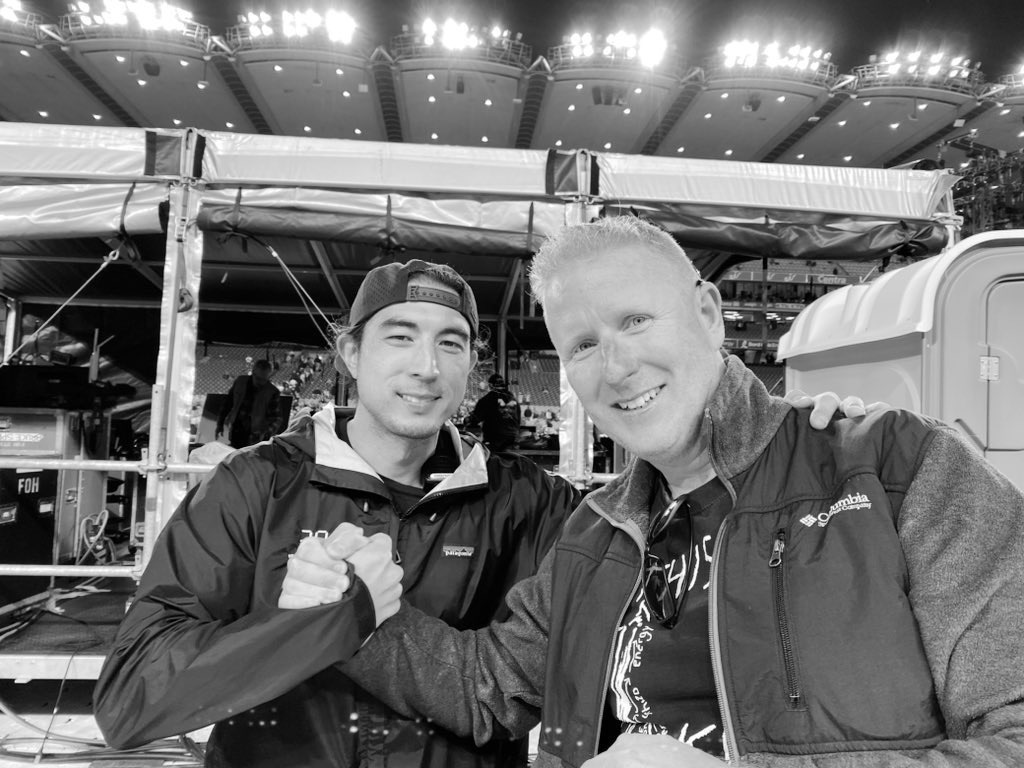
I am full of gratitude to the promoter, the Springsteen Organisation/Sound Team and, particularly, Brandon, yet another super sound sound engineer for his amazing feat of fixing the latency issue on the spot.
22/05/24
I’m sitting on a comfy couch in Footlocker. I’m in the left father department, a kindness offered by retailers to facilitate the reluctant shopper. We’re wandering around Düsseldorf killing time before our flight back after an amazing AC/DC gig last night. They were pure magic. Ear-shreddingly loud magic. Not in compliance with the WHO Make Listening Safe magic, but we had our ear plugs in and it was phenomenal. My accessibility requests couldn’t traverse the language barrier with the German promoter/venue, so I wasn’t plugged into the desk, but made the most of it using a Roger On remote mic to give me better audio fidelity without the sound clipping that can happen in loud environments with the internal Nucleus 8 mirophones.

As I mentioned at the start, I dream in stereo. Dreams give hope and hope was very important for me at each stage of this process. I have high hopes for all the aspirations that I listed in this post. A lot of dreams have been coming true recently and I look forward to sharing all the details in the next post in a few months time.
 noisy silence